Inca Trail Vs Alternative Treks
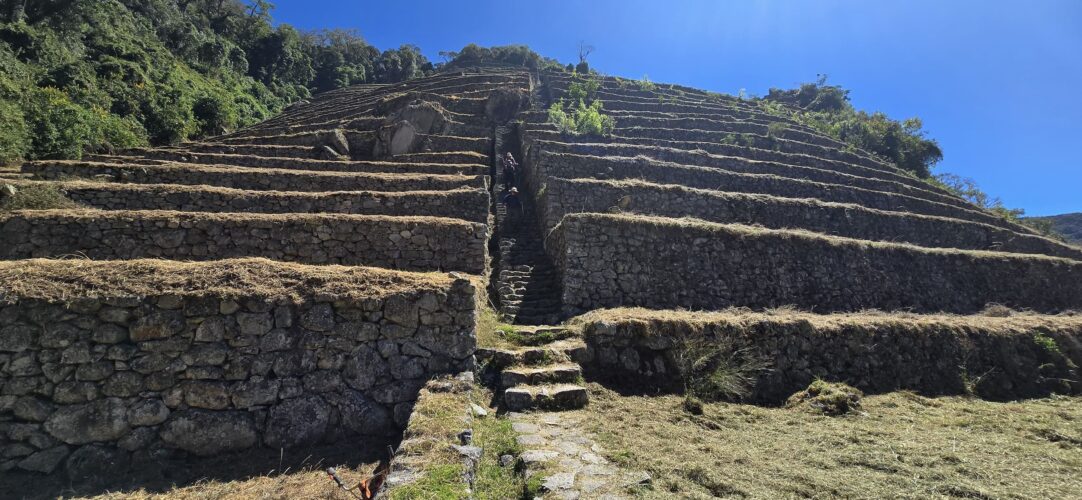
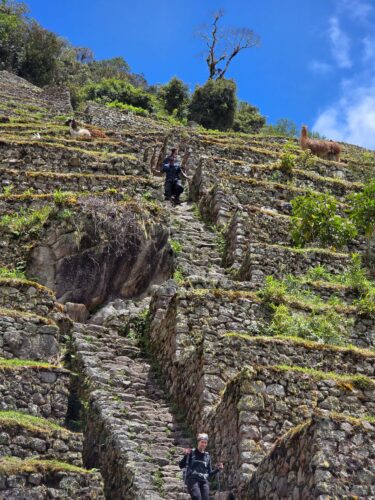
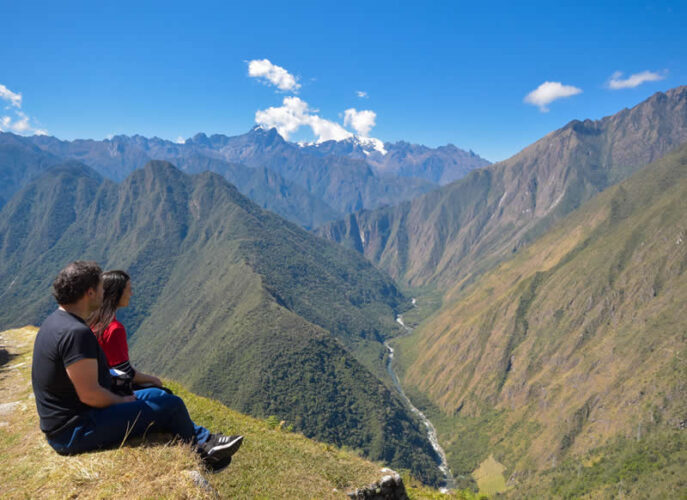
Many people include Peru in their “Things to do” list before they depart the planet, the main reason being to trek the Classic Inca Trail to Machu Picchu, although what most people don’t know is that there are various Inca Trails Trips to Machu Picchu to pick from in the Cusco region. The difference lies in what kind of experience you want, hiking the Inca Trail, and how challenging you like your treks.
If you want to say that you’ve hiked the famous hike to Machu Picchu, then the Classic Inca Trail is for you. But usually you will need to book in advance, in case it is fully booked, we recommend other alternative treks:
-
- Hiking The Inca Trail (5 days / 4 nights)
-
- Luxury Trekking Salkantay (7 days / 6 nights)
-
- Salkantay Trek & Sacred Valley (8 days / 7 nights)
-
- Classic Salkantay Trek Peru (9 days / 8 nights)
-
- Choquequirao Trek to Machu Picchu (9 days/8 nights)
ADDITIONAL INFO FOR SALKANTAY AND INCA TRAIL 6 DAYS
IMPORTANT:
A máximum of 500 people per day are allowed to access the Inca Trail; This number includes all support staff such as: authorized porters, cooks and tour guides and is most tightly controlled; when the inca trail reaches its limit of 500 visitors, the Trail is closed off for the day and no further reservations could be made; Booking are not held on the Trail and all permits must be purchased a year in advance, if possible.
THINGS TO KNOW
- This 6-day trek to Machu Picchu is not recommended for travelers with back problems
- You will have a guide during your Inca Trail hike and on the Machu Picchu tour.
- Daily departures with a group of 2 or more.
- No departures in February due to the trail maintenance.
- There is no access for wheelchairs.
- DON’T FORGET THE ESSENTIALS: Original passport, insurance card, and personal medications.
- This trek will have a maximum of 8 travelers
PHYSICAL REQUIREMENTS:
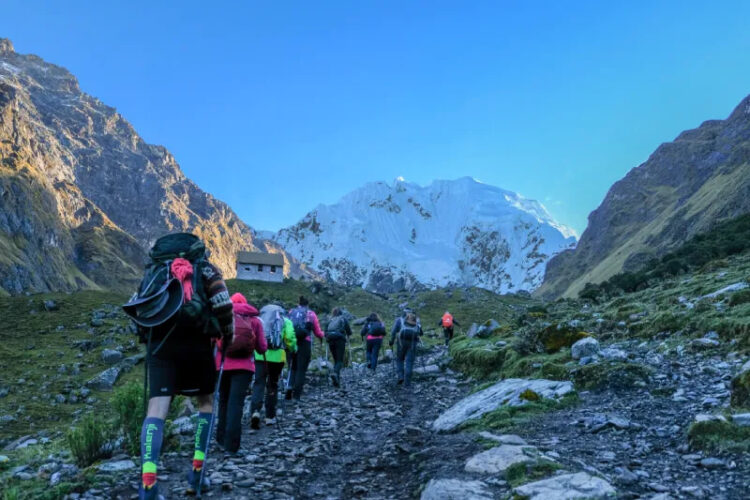
This hike is difficult; it’s highly recommended to be in good physical condition. The classic Inca Trail elevation changes make the hike tough as there are three passes during your trek.
ACCOMMODATION OPTIONS
During the Inca Trail to Machu Picchu trek, solo travelers will be paired to share a tent with another traveler of the same sex, and couples will have a tent to themselves.
PRE-DEPARTURE BRIEFING
There is a mandatory pre-departure briefing at our Cusco Office one day before your departure to the Inca Trail, 6 days at 6 pm. You will meet your guid,e and He will give you detailed information about your hike, a list of what to bring, rental equipment or questions in general. Our office is located at: Marquez Street 250, Second Floor. Office 03. Cuzco, Perú.
TYPICAL MEALS ON THE TREK
We train our cooks every year on the low season to provide you with the best tasting meals on the mountain, with specialty menus and the freshest local ingredients available on all of our Treks to Machu Picchu. Here is an idea of what you will be eating during your hike. *Vegetarian, vegan, gluten fee and more Options Available Upon Request (please let us know at the time of booking).
Breakfasts:
Hot porridge, quinoa or oats, fried eggs, omelet or pancakes with fresh bread, fried bananas, Thick oatmeal with large fresh chunks of sweet apples, and boiled water for hot teas, coca tea, coffee, chocolate, and milk.
Lunch & dinner:
First Course: Quinoa, corn, noodles, asparagus, mushroom or vegetable soup, stuffed avocado, or potatoes. Second Course: Chicken breast, beef stew, quinoa, fried rice, hamburgers, fried chicken, spaghetti bolognese, typical dishes: aji de gallina (chili pepper chicken), escabeche de Pollo (marinated chicken), or ajiaco de ulluco (spicy ulluco stew).
Desserts:
Fried plantains, chocolate pudding, chocolate or vanilla cake, peach.
Snacks:
candies, cookies, juice, crackers,s and a variety of Peruvian fruits such as: Banana, Chirimoya, Granadilla, Apple, orange, Mandarine.
What is the final destination and starting point of the tour?
The tour will begin and end in Cusco, and all the round-trip transportation is covered.
Does this form part of the entire Salkantay Trek to Machu Picchu?
The two-day itinerary of those travellers who would like to capture the main attractions; this is a condensed edition.
Is it a private or group tour?
Either of the two is possible, though in the normal bookings, small group contingents are usually involved.
Is there availability of the tour throughout the year?
The dry season, which is between May and September, is the best time to take it . In fact, the venture is provided throughout the entire year
What kinds of difficulties face in the trek?
Due to steep climbs and high elevation It is moderate to difficult in nature and does not require any technical climbing.
Day by day, the duration of the trip?
About 2-3 hours of a round-trip to Humantay Lake on day 2.
About 67 hours, which includes the overcoming of Salkantay Pass and the descent afterward at day 2.
Will there be the problem of altitude sickness?
An apprehension, it is best to see Cusco before leaving, 2–3 days before the expedition.
If I am tired, can I take a horse ride?
Of course, in some parts of the trail tour, there is horseback riding, usually on unusually steep or protracted parts of the trail
What are the Sky Lodge Domes?
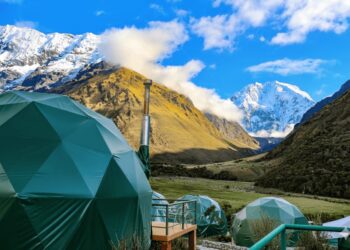
These are tents that are geodesic type tents equipped with beds and blankets, and clear windows to gaze at the stars, placed in Soraypampa.
Are the domes private?
The domes can be booked as private or booked as a group-occupancy, depending on the type of booking that is selected.
Do the domes have heating?
There is no heating available, but they provide thick blankets and insulating substances.
Does it have toilets and showers?
Yes, community and environmentally friendly hygiene facilities and primitive washrooms are available.
Is there electricity or WiFi?
Little lighting in place of the sun, and little wireless connectivity and cellular service are prevalent.
Are meals included?
The first day and two meals on the second day, meaning that you have breakfast in the morning, lunch at midday and dinner in the evening. The regular program stipulates that one has 3 meals included in this tour.
How many and what types of dishes or food are provided in the tour?
All prepared to provide nutritional balance as well as cultural authenticity, the food will consist of hot and delicious Peruvian-inspired food such as soups, grilled meats, rice, quinoa, vegetables, and hot beverages
Are dietary needs easily available during this tour?
Upon request, the special dietary needs may be vegetarian, vegan, gluten-free, and so on. The dietary adjustments are easily accessible
Is drinking water provided?
Refilled bottles are filled with boiled or filtered water.
Are snacks provided?
There are usually light snacks (fruit or cookies), and other snacks can be brought over.
Do deluxe guides carry oxygen and first aid?
Across, the first-aid kit and oxygen bottles are brought to deal with emergencies.
How big is the group?
Most of the time, the group consists of six to ten people, which guarantees a more personalized experience.
Can I tip the guide and cook?
Tipping is not compulsory, but the guides and support staff like it greatly.
Are porters or mules used?
To carry equipment, the participants use mules because they will be expected to carry just a day-pack with necessities.
Can I carry a sleeping bag for this tour?
Instances of sleeping bags are usually offered and can even be rented.
Do trekking poles have any use?
The usage of trekking poles is highly encouraged to maintain stability especially in downhill.
Should I bring cash?
Small denomination Peruvian soles can be brought along to tip, renting a horse, or to have a snack.
Is travel insurance necessary?
Although that is not obligatory, it is highly encouraged, particularly covering the high altitude trekking risks.