Sacred Valley and the short Inca Trail 3 days: Travel guide
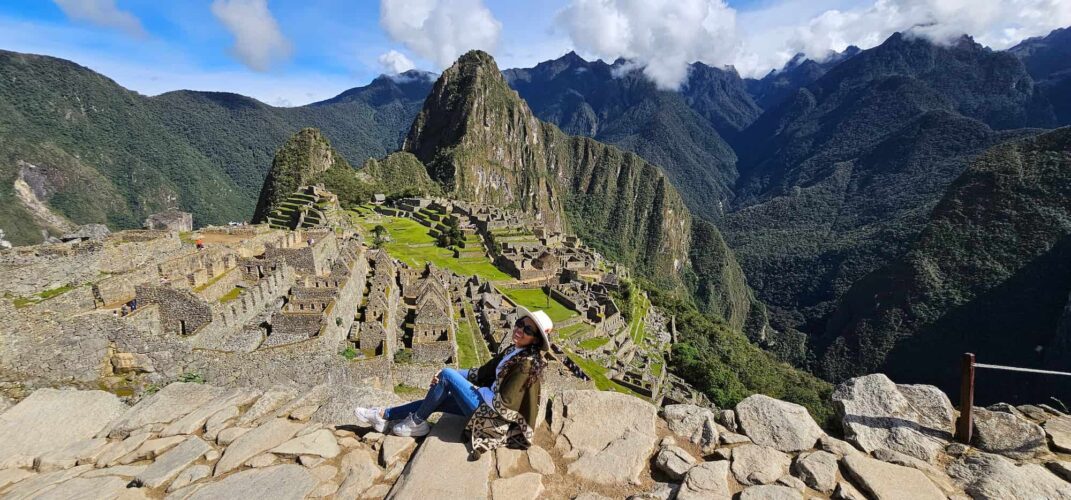
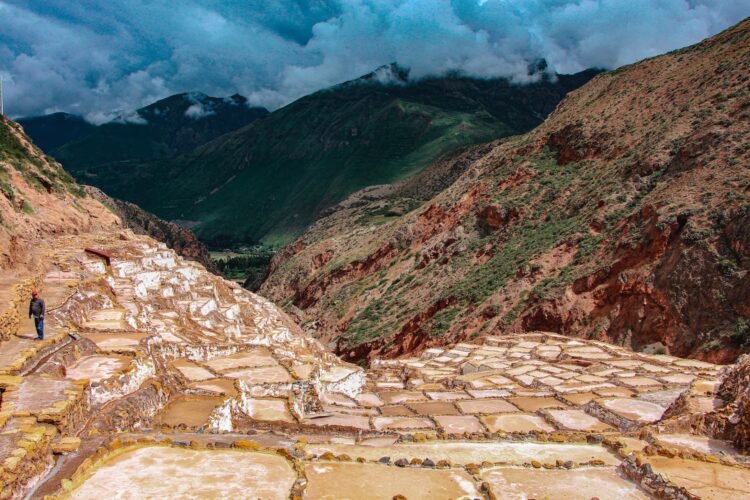
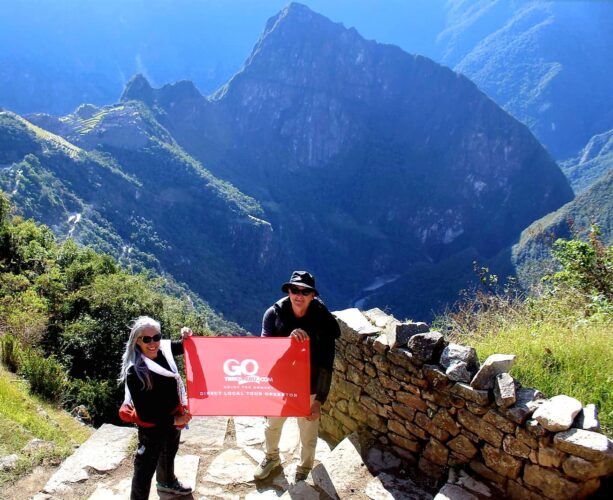
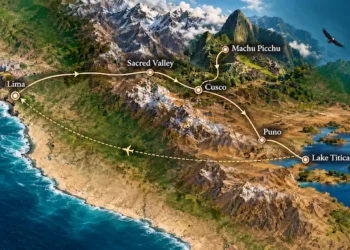
The Sacred Valley and Short Inca Trail 3 Days is a perfect combination of cultural immersion and adventure. This itinerary allows you to explore the most significant Inca sites, hike through breathtaking landscapes, and reach Machu Picchu in a more rewarding way than just taking the train. The experience includes visiting historical ruins in the Sacred Valley, trekking along the ancient Inca Trail with stunning views, and finally discovering the wonder of Machu Picchu at sunrise. With expert guides, comfortable accommodations, and a well-planned route, this journey offers a unique perspective on Peru’s rich history and natural beauty.
1. Best Time to Visit
Dry Season (May–September): Clear skies, ideal trekking conditions, and stunning views of Machu Picchu.
Rainy Season (November–March): Lush landscapes but expect frequent showers, especially on the Inca Trail.
Shoulder Seasons (April & October): Fewer crowds and a good balance of weather conditions.
2. Altitude Considerations
Cusco: 3,400m (11,155ft) – Some travelers experience mild altitude sickness.
Sacred Valley: 2,800m (9,186ft) – A lower elevation, making it a good place to acclimatize.
Machu Picchu: 2,430m (7,972ft) – Altitude sickness is less common here, but acclimatization is still recommended.
Tips to Avoid Altitude Sickness: Stay hydrated, avoid alcohol, eat light meals, and acclimate for at least one day in Cusco or the Sacred Valley before trekking.
FAQS ABOUT SACRED VALLEY AND SHORT INCA TRAIL TO MACHU PICCHU 3 DAYS
What’s the fitness level needed for the Short Inca Trail?
The trek is rated moderate. You’ll hike 13km/8.1 miles over 6-7 hours on Day 2. Previous hiking experience helps, but it’s doable for most if you’re used to walking on uneven terrain. Altitude at Sun Gate hits 2,720m/8,923ft so take it slow if you’re not acclimatized.
Do I need permits for the Short Inca Trail?
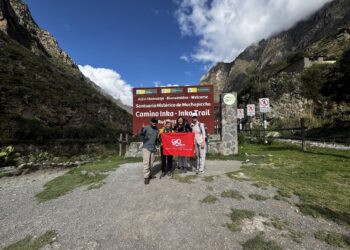
Yeah, permits are mandatory and included in your tour. They’re limited so book early. You’ll need your passport at the Km 104 checkpoint.
How does altitude affect the trip?
Cusco sits at 3,400m/11,155ft but the Sacred Valley is lower (2,800m/9,186ft). Day 1’s highest point is Moray at 3,300m/10,825ft. Drink water, avoid heavy meals, and consider arriving in Cusco 1-2 days early to adjust.
What’s the lodging like?
You’ll stay in 3-star hotels like Tunupa Lodge in Ollantaytambo and Chakana in Aguas Calientes. Rooms are private with basic amenities but don’t expect luxury. Hot showers and Wi-Fi are usually available.
Are meals catered for dietary restrictions?
Vegetarian options are standard. For vegan, gluten-free or other needs, notify the operator in advance. Meals are a mix of local and international dishes. Lunch on Day 1 is a buffet in Urubamba.
What’s the deal with the Vistadome train?
The Vistadome has panoramic windows and snacks. It’s used for the return from Aguas Calientes to Ollantaytambo. The Expedition train is for the outbound journey to Km 104. Both are scenic but the Vistadome’s got better views hands down.
What should I pack for the trek?
Essentials: hiking boots, rain jacket, layers for changing weather, sunscreen, hat, water bottle, passport. A daypack for the trail. Leave bulky luggage at your Cusco hotel.
How reliable is transportation during the Sacred Valley and the short Inca Trail?
All transfers are included: private vans, trains, buses. Trains run rain or shine, but delays can happen due to weather. The team gets you back to Cusco by 7:30 PM on Day 3.
Is travel insurance required for the Sacred Valley and the short Inca Trail?
Not included but highly recommended. Covers altitude issues, injuries or trip cancellations. Check if your policy includes adventure activities.
What’s the group size?
Average 12 people. Small groups mean more personalized attention from guides. You’ll share the experience with like-minded travelers, which is pretty cool.
Can kids join in the Sacred Valley and the short Inca Trail?
Kids over 12 handle the trek if they’re active. Younger ones might struggle with the altitude or distance. Discuss with the operator first.
What happens if it rains?
Rain is common in the Andes. Bring a waterproof jacket and pack covers. Trails stay open but paths get slippery. Guides adjust pacing for safety.
Are there toilets on the Inca Trail?
Facilities at campsites like Wiñay Wayna, but carry toilet paper and hand sanitizer. No luxury bathrooms out there, just basic setups.
How early should I book?
Permits for the Inca Trail sell out 4-6 months ahead, especially peak season (May-September). Last-minute spots are rare so don’t wing it. Book as early as you can.